Blog

Your blog category

Blog

How Automation is transforming inventory management in retail and logistics

Automation plays a crucial role in the dynamic retail and logistics sectors, where businesses face significant challenges due to heightened customer expectations, demand fluctuations, and supply chain disruptions. Traditional inventory management methods, such as manual data entry and periodic audits, are inadequate for meeting the demands of modern markets.   Organisations require systems that operate in real time, reduce operational friction, and provide actionable insights. By leveraging intelligent technologies, companies can shift from reactive stock control to proactive inventory optimisation, thereby supporting sustainable growth and enhancing competitiveness.   Why Choose Stallion for Automation?   Stallion Global Solutions delivers enterprise-grade automation solutions tailored for the retail and logistics sectors. Leveraging expertise in Auto ID technologies, barcode systems, RFID, mobile computing, and enterprise software integration, Stallion helps organization renovate their inventory operations with minimal disruption to workflows. Their solutions seamlessly integrate with ERP, WMS, and POS platforms, enabling accurate real-time data flow across departments.   Beyond technology deployment, Stallion focuses on providing long-term operational value. Businesses enjoy a scalable infrastructure, secure system architecture, and performance analytics that enhance strategic visibility. This blend of innovation, integration, and industry knowledge makes Stallion a reliable partner in automation.   The Challenges of Traditional Inventory Management   Inventory management is a highly complex function in retail and logistics, requiring a careful balance between stock availability and cost control while addressing fluctuating demand patterns. Manual processes often lead to inefficiencies, such as inaccurate stock records and delayed updates, increasing the risks of stockouts and overstocking.   Disconnected systems further impede transparency, making it difficult to obtain real-time insights into stock movement and order status. As operations expand, these inefficiencies grow, limiting scalability. Automation effectively addresses these challenges by creating a unified, real-time inventory ecosystem that enhances responsiveness and operational control.   Intelligent Demand Forecasting and Data-Driven Planning Accurate demand forecasting is crucial for effective inventory management. Traditional models rely on historical averages or manual estimates, which often fail to adapt to changing market conditions. Intelligent automation enhances forecasting accuracy by analysing real-time point-of-sale data, customer purchasing behaviour, seasonal trends, promotional activities, and external market signals.   Through the integration of artificial intelligence and machine learning, automated systems continuously improve predictions. This approach reduces excess inventory, minimises stock shortages, and strengthens financial planning. Consequently, organizations achieve better procurement alignment and more efficient allocation of working capital, leading to more informed decision-making.   Real-Time Inventory Visibility Across the Supply Chain   Modern automation solutions integrate barcode scanning, RFID technology, IoT tracking, and cloud-based platforms to provide continuous visibility of inventory. Stock levels, product locations, and order statuses are updated instantly across warehouses, distribution centers, and retail outlets. This real-time transparency minimizes reliance on manual verification and significantly reduces data discrepancies.   Improved visibility in inventory management enables quicker detection and resolution of issues, thereby preventing disruptions from escalating. It fosters better collaboration among procurement, warehouse, and logistics teams. With accurate and up-to-date inventory data, businesses can more effectively respond to demand fluctuations, adjust their distribution strategies, and maintain reliable service with increased confidence.   Predictive and Automated Replenishment   Replenishment processes have traditionally relied on fixed schedules or manual triggers, which frequently result in urgent last-minute orders or unnecessary excess stock. The implementation of automation redefines replenishment as a predictive endeavour driven by data analytics. Automated systems can generate purchase orders based on sales velocity, supplier lead times, minimum stock thresholds, and demand forecasts.   This proactive replenishment approach not only reduces carrying costs but also ensures the maintenance of optimal service levels. Furthermore, it enhances supplier coordination and mitigates expenses related to emergency procurement. By aligning purchasing decisions with real-time data insights, organizations can achieve improved inventory turnover rates and more effective cash flow management, thereby enhancing operational stability and customer satisfaction.   Operational Efficiency and Cost Optimization   Automation significantly enhances productivity in both warehouse and retail environments by minimizing manual intervention across critical processes, including receiving, picking, packing, and dispatch. The utilization of barcode-enabled workflows and mobile computing devices expedites order fulfilment while concurrently reducing the incidence of human error. Furthermore, decreased reliance on manual data entry not only lowers labour costs but also enhances data accuracy.   Automation provides detailed operational metrics that help managers identify bottlenecks and allocate resources more effectively. The resulting improvements in processing times, accuracy, and streamlined workflows directly contribute to increased output and higher profitability. Over time, these efficiency improvements lead to substantial financial gains and strengthen the overall competitive position in the market.   Proactive Management of Slow-Moving Inventory   Excess and slow-moving inventory can constrain capital, increase storage costs, and reduce profitability. Intelligent automation systems monitor SKU performance through advanced analytics and reporting tools, facilitating the early identification of underperforming products. It allows businesses to take corrective action before significant losses occur.   Strategic responses can include targeted promotions, redistributing inventory to high-demand areas, adjusting pricing, or changing procurement practices. Proactive management enhances inventory turnover and protects working capital, enabling organizations to maintain healthier stock levels and minimize financial risk.   AI-Driven Pricing and Adaptive Decision-Making Businesses can adjust prices dynamically based on real-time demand, competitor actions, and inventory levels using artificial intelligence. Unlike static pricing models, AI systems continuously evaluate market conditions and update strategies across various channels. In addition, advanced automation tools can model potential disruptions and suggest contingency measures. Adaptive AI supports scenario planning and decision-making in volatile supply chain contexts, enhancing organizational resilience and transforming inventory management into a strategic asset for sustainable growth.   Conclusion: Building a Resilient and Intelligent Inventory Ecosystem   Modern inventory management in retail and logistics relies heavily on automation. By replacing manual processes with advanced, data-driven systems, organizations can achieve real-time visibility, predictive replenishment, operational efficiency, and strategic insights. Automation not only improves accuracy and reduces costs but also enhances agility in rapidly changing market conditions.   By implementing integrated automation solutions from Stallion Global, organizations can move beyond traditional stock control methods to create a fully interconnected inventory ecosystem. This advancement supports sustainable growth, enhances financial

How Automation is transforming inventory management in retail and logistics Read Post »

Blog

Benefits of Barcode Technology in Modern Warehouse Operations

Modern warehouse operations require speed, precision, and real-time visibility to remain competitive. As inventory volumes increase and fulfilment cycles shorten, reliance on manual processes becomes impractical. Barcode technology plays a vital role in effective warehouse management by enabling accurate tracking, automating data capture, and integrating with digital systems. Properly implemented, barcode solutions can shift warehouse operations from a reactive model to a data-driven strategy, enhancing efficiency and performance. • The Importance of Barcode Technology in Today’s Warehouses Barcode technology enables efficient and accurate identification of goods throughout the warehouse lifecycle. A standard system includes barcode labels, scanning devices, and warehouse management software (WMS). Upon scanning a barcode, information is transmitted instantaneously to the WMS, thereby updating inventory records, tracking item locations, and generating operational reports. This seamless flow of real-time data ensures enhanced transparency, traceability, and control over warehouse operations. • Why Barcode Technology Is a Smarter Choice Than Manual Data Entry  Manual data entry was once common in warehouse environments, but it presents significant limitations. This process is time-consuming, prone to human error, and lacks real-time visibility, often resulting in inaccurate inventory records, overstocking, and stock shortages. The introduction of barcode technology addresses these challenges by automating data capture, thereby diminishing reliance on labour and facilitating accurate, real-time inventory management. This advancement is crucial for fostering scalable growth within warehouse operations. • How Stallion Global’s Advanced Barcode Solutions Optimize Warehouse Operations Stallion Global Solutions delivers advanced Auto ID and data capture technologies designed to optimize warehouse efficiency. By utilizing barcode scanners, mobile computers, wireless LAN infrastructure, and optional RFID capabilities, Stallion Global enables continuous monitoring of inventory movement and operational performance. These solutions help warehouses achieve higher accuracy, faster processing, and improved operational reliability. • Intelligent Integration and Real-Time Visibility Stallion Global’s barcode solutions integrate seamlessly with existing warehouse management systems, enterprise resource planning platforms, and supply chain tools. Each barcode scan facilitates instantaneous updates to inventory, thereby providing real-time stock levels, location-based tracking, and precise order status updates. This enhanced visibility enables warehouse managers to make informed decisions, minimise delays, and maintain comprehensive operational control. • End-to-End Inventory Coverage and Mobile Optimization Stallion Global’s barcode workflows encompass the entire warehouse lifecycle, which includes processes such as receiving and put-away, inventory tracking and cycle counting, picking and packing, as well as shipping and dispatch. These solutions are compatible and optimized for various devices, including handheld scanners, mobile devices, industrial barcode equipment, and RFID systems. This mobility empowers warehouse teams to operate efficiently across expansive facilities while upholding a high level of accuracy at every stage of operation. • Scalability, Security, and Performance Insights As warehouse operations expand, Stallion Global’s barcode solutions offer seamless scalability. Secure data management, role-based access controls, and consistent system performance ensure reliability during peak workloads. Additionally, businesses benefit from performance dashboards, inventory accuracy reports, and order fulfilment analytics, which support ongoing improvement and operational optimisation. • From Setup to Success: Step-by-Step Implementation Approach ➢ Planning and Requirement Analysis Warehouse workflows are assessed based on operational size, complexity, and growth objectives. Barcode standards are selected, and hardware and software requirements are defined to ensure compatibility and long-term scalability. ➢ Configuration and Deployment We set up barcode scanners, established middleware, and integrated with WMS and ERP systems to ensure seamless data exchange and system readiness. ➢ Employee Training and Pilot Testing Warehouse staff receive training on scanning procedures and updated workflows. Pilot testing identifies and resolves potential issues before full deployment, minimizing operational risks and disruptions. ➢ Go-Live and Continuous Optimization After successful testing, the system goes live across the warehouse. Ongoing monitoring and fine-tuning ensure optimal performance, improved efficiency, and sustained accuracy over time. • Conclusion Barcode technology serves as a fundamental component in enhancing the efficiency of modern warehouses, facilitating accuracy, speed, and scalability. By substituting manual processes with automated, real-time data capture, warehouses achieve improved control and decreased operational costs. Through Stallion Global’s intelligent, scalable, and insight-driven barcode solutions, organizations are empowered to operate with heightened efficiency, adapt to growth dynamics, and remain competitive within the challenging logistics landscape.  Contact us to discover how Stallion Global can enhance your warehouse operations

Benefits of Barcode Technology in Modern Warehouse Operations Read Post »

Blog

Barcode Technology in E-commerce Logistics Solutions: Why It Matters More Than Ever for Growing Businesses

Businesses Barcode technology in e-commerce logistics solutions serves as a vital component for enterprises partnered with Stallion Global Solutions. Operational efficiency, accuracy, and visibility across the supply chain are considered essential expectations rather than just goals. As e-commerce volumes continue to grow and customer delivery expectations become increasingly rigorous, the role of barcode technology has become paramount in modern logistics workflows. Whether managing thousands of SKUs, overseeing export shipments, or enhancing a multichannel fulfilment operation, barcodes are recognized as one of the most reliable and cost-effective tools for driving automation and minimizing process disruptions Why Barcode Technology Still Leads in E-commerce Logistics Despite the advancements in RFID and sophisticated tracking systems, barcode technology remains the prevailing choice in e-commerce logistics. This dominance can be attributed to several key factors: High Accuracy in Inventory and Order Management The implementation of barcodes significantly minimises human errors during the processes of picking, packing, and dispatching. For organizations that have adopted Stallion’s barcode scanners, printers, and labelling systems, this heightened accuracy yields several advantages, including: Accelerated stock reconciliation Reduced instances of mis-shipments Dependable real-time inventory data Cost-Effective Scalability Barcode systems represent a cost-effective solution for large-scale deployment, making them particularly suitable for e-commerce enterprises experiencing significant growth in order volume. As operations expand through the implementation of Stallion’s solutions, barcodes facilitate a seamless approach to scaling while effectively managing operational expenses. Seamless Integration with Warehouse & ERP Systems Contemporary eCommerce is fundamentally reliant on the synchronization of data across multiple platforms. The utilization of barcodes facilitates: Rapid data capture Automated updates to Warehouse Management Systems (WMS), Point of Sale (POS) systems, and Enterprise Resource Planning (ERP) systems Enhanced visibility throughout the order lifecycle, from inbound processes to last-mile delivery This level of integration proves particularly advantageous for organisations that already employ Stallion’s software interfaces and hardware automation solutions. Faster Fulfilment & Improved Warehouse Productivity The use of barcode-enabled picking considerably reduces fulfilment time. Employees can locate items more efficiently. Packing teams can verify orders promptly. Dispatch teams can process shipments with minimal delays. In competitive e-commerce environments, reducing fulfilment time by even a few minutes can lead to increased productivity and decreased operational pressure. Enhanced Traceability Across the Supply Chain Barcodes facilitate the tracking of every phase, from sourcing to delivery. Businesses benefit from: Precise batch and lot tracking Enhanced visibility during audits Streamlined processes for returns and replacements Improved compliance in regulated sectors For Stallion’s long-term business partners, this advancement in traceability reinforces accountability and fosters customer trust. How Existing Stallion Global Clients Benefit Even More Given that your organization is already well-acquainted with Stallion’s technological ecosystem, the transition to advanced barcode workflows is seamless. Your advantages include: Optimized label designs tailored specifically for e-commerce packing operations. High-performance barcode printers and scanners capable of handling substantial daily volumes. Integrated automation compatible with your existing POS, ERP, WMS, or export documentation systems. On-site technical support for troubleshooting, maintenance, and process enhancements. Your previous investment in Stallion’s solutions provides a solid foundation for advancing towards more automated and digitally robust logistics frameworks. Best Practices for E-commerce Logistics Using Barcodes To fully optimize your existing Stallion infrastructure, consider the following recommendations: Employ standardized barcode formats (EAN-13, UPC, Code 128) to ensure universal compatibility. Implement location barcoding, including shelf, bin, and zone codes, to enhance the efficiency of the picking process. Adopt unique barcodes for Stock Keeping Units (SKUs) to mitigate the risk of duplication errors. Print high-contrast, durable labels to minimize the likelihood of scanning failures. Integrate barcode scanning with real-time dashboards to provide continuous visibility into operations. Adhering to these best practices will facilitate resilience, accuracy, and scalability within your e-commerce operations. The Future of Logistics: Transitioning from Barcodes to Hybrid Tracking Systems While barcodes will continue to play a vital role in logistics, many clients of Stallion are increasingly adopting hybrid systems that integrate various technologies, including: – Barcodes – RFID (Radio Frequency Identification) – QR codes (Quick Response codes) – IoT (Internet of Things) scanning solutions This integration fosters a robust logistics environment that embraces automation, enhances analytical capabilities, and improves overall accuracy, positioning organizations to meet future demands effectively. Final Thoughts Barcode technology remains a fundamental component of efficient e-commerce logistics. Businesses partnered with Stallion Global Solutions enjoy significant advantages by leveraging their existing systems, hardware, and workflows. This collaboration enhances efficiency, minimizes errors, and enables scalable growth. In the dynamic e-commerce landscape, barcodes are a dependable and economical solution for achieving operational excellence and meeting customer expectations effectively. For more information on how Stallion Global Solutions can optimise your e-commerce logistics with barcode technology, contact us today!

Barcode Technology in E-commerce Logistics Solutions: Why It Matters More Than Ever for Growing Businesses Read Post »

How RFID Revolutionizes Real-Time Operations Across Your Business
Blog

How RFID Revolutionizes Real-Time Operations Across Your Business

  RFID revolutionizes real-time operations across your business by enabling efficient monitoring and management of physical items and personnel. In today’s interconnected environment, tracking these resources is essential for strategic success. Traditional methods often create inefficiencies and missed opportunities. By utilising RFID (Radio Frequency Identification) technology, organisations gain unprecedented visibility into assets, inventory and personnel movement, thereby enhancing operational agility and effectiveness. The Real-Time Imperative: Why Traditional Tracking Falls Short Consider the challenge of managing a complex operation without real-time visibility into the status of various components. Many businesses rely on manual processes or line-of-sight barcode scanning, which, while useful, necessitate direct interaction and hinder batch scanning and timely updates. This results in slow inventory counts, misplaced assets, outdated records, and a constant need to locate essential items. In today’s fast-paced business environment, immediate access to data is crucial for informed decision-making, waste reduction, and maintaining a competitive advantage. My.Asset: The Power of Real-Time Asset Tracking & Management Radio Frequency Identification (RFID) technology is particularly effective in asset management. Systems like My.Asset employs RFID tags on valuable equipment and tools, creating a continuous record of their location and status. Using RFID readers, assets can be automatically identified and located across multiple locations, eliminating the need for manual audits. The key advantages include: • Loss Prevention: Immediate alerts if an asset exits a designated area.• Utilization Optimization: Knowledge of an asset’s location and usage maximizes its lifespan and minimizes downtime.• Maintenance Streamlining: Usage tracking allows for proactive maintenance scheduling. This real-time visibility ensures all assets are accounted for, leading to reduced operational costs and extended asset lifespans. Revolutionizing the Production Line: Work in Progress (WIP) Applications The manufacturing floor demonstrates how real-time tracking can enhance operational efficiency. Organisations can track individual components throughout various production stages by using Work in Progress (WIP) applications that utilise Radio Frequency Identification (RFID). Managers can effectively identify bottlenecks and delays through continuous monitoring: • Automated Data Capture: Tags on items provide instant updates at each workstation.• Bottleneck Identification: Real-time data reveals production slowdowns.• Enhanced Traceability: A historical record of each item’s journey ensures quality control and compliance. This visibility into WIP minimizes errors, improves workflows, and accelerates manufacturing cycles.     Precision in the Stacks: Advanced Warehouse Management Systems Warehouses are essential to supply chains, with their efficiency directly impacting business performance. Radio-frequency identification (RFID) technology enhances Warehouse Management Systems, particularly for the food and marine industries. Key benefits of RFID include: • Automated Receiving and Shipping: Effortlessly scan pallets or containers instantly without the need to unpack them.• Continuous Inventory Audits: Ongoing inventory counts provided by fixed RFID readers, eliminating disruptive manual checks.• Optimized Storage: Improved search times and put-away efficiency through precise item location tracking. In sectors where perishability and stringent traceability are vital, RFID technology facilitates effective inventory rotation, expiration date management, and compliance with standards, ensuring accuracy and reliability. Industry Applications of RFID Readers BOXRF-05M Integrated Mid-Range Reader – BOXP’s mid-range RFID reader comes with a built-in antenna and is engineered to read RFID tags at moderate distances. It’s ideal for fixed setups that need reliable mid-range scanning without requiring long-range coverage. Common applications include asset tracking, document management, and inventory monitoring. BOXRF-12L Integrated Long-Range Reader – BOXP’s long-range RFID reader, equipped with an integrated antenna, is designed for scanning RFID tags over extended distances. Perfect for large-scale environments—both indoor and outdoor—it’s well-suited for warehouse logistics, vehicle tracking in parking areas, and supply chain management. Securing and Streamlining Information: File Management Solutions Several organizations require the tracking of sensitive files and physical documents. An RFID-enabled File Management Solution provides real-time location tracking for both archived and active files. Consider a large law firm or government agency: • Instant Location: Quickly locate a specific file within a vast archive using handheld readers.• Preventing Misplacement: Tags alert staff when a file is removed from its designated area or exits the premises.• Automated Audits: Facilitate rapid verification of the presence and location of critical documents. This approach ensures vital information remains accessible and secure, significantly reducing the challenges associated with lost or misplaced files. Managing the Human Element: Visitor & Student Tracking The utility of Radio Frequency Identification (RFID) extends beyond physical asset management to the effective tracking of individuals, thereby enhancing security and operational efficiency. • Stallion WMS Solution: By automating receiving, put-away, picking, and dispatch procedures and preserving real-time stock visibility across bins and racks, Stallion’s WMS simplifies end-to-end warehouse operations. The system uses barcode and RFID technologies to minimise human error, optimise storage space, enforce FIFO for perishable commodities, and guarantee precise inventory counts. With the help of actionable information into order fulfilment, bottlenecks, and stock movement, managers can make decisions more quickly, work more efficiently, and integrate order management and logistical workflows more easily.• Library Management Solution: The entire library lifecycle can be automated by Stallion’s Library Management Solution, including book issueing and return, book tagging using barcodes or RFID, self-check-in/check-out kiosks, book drop returns, anti-theft gates, and inventory verification with handheld scanners. It eliminates unauthorised book removal, expedites stock verification, significantly lowers issue/return lines, assists customers in finding misplaced books, and improves user satisfaction—all while reducing the workload of librarians. These applications demonstrate how RFID technology offers an efficient and secure approach to managing individual flow in various environments. The Future is Connected: Integrating RFID for Holistic Operations An RFID ecosystem can unify various aspects of an organization into a cohesive, real-time system. By integrating solutions for asset tracking (My.Asset), work-in-progress management, warehouse operations, file management, and visitor/student monitoring, organizations gain a comprehensive view of their operations, facilitating: • Enhanced Decision-Making: Access to precise, real-time data supports strategic planning.• Reduced Manual Effort: Automating data capture allows personnel to focus on higher-value tasks.• Improved Compliance and Audit Trails: Comprehensive records ensure regulatory adherence.• Superior Customer Experience: Faster fulfilment, fewer errors, and accurate stock availability enhance customer satisfaction.   RFID technology enables organisations to track items efficiently and operate based on the data. This proactive approach positions them well to

How RFID Revolutionizes Real-Time Operations Across Your Business Read Post »

Why Smart POS Systems Are Vital for Retail Growth
Blog

Why Smart POS Systems Are Vital for Retail Growth

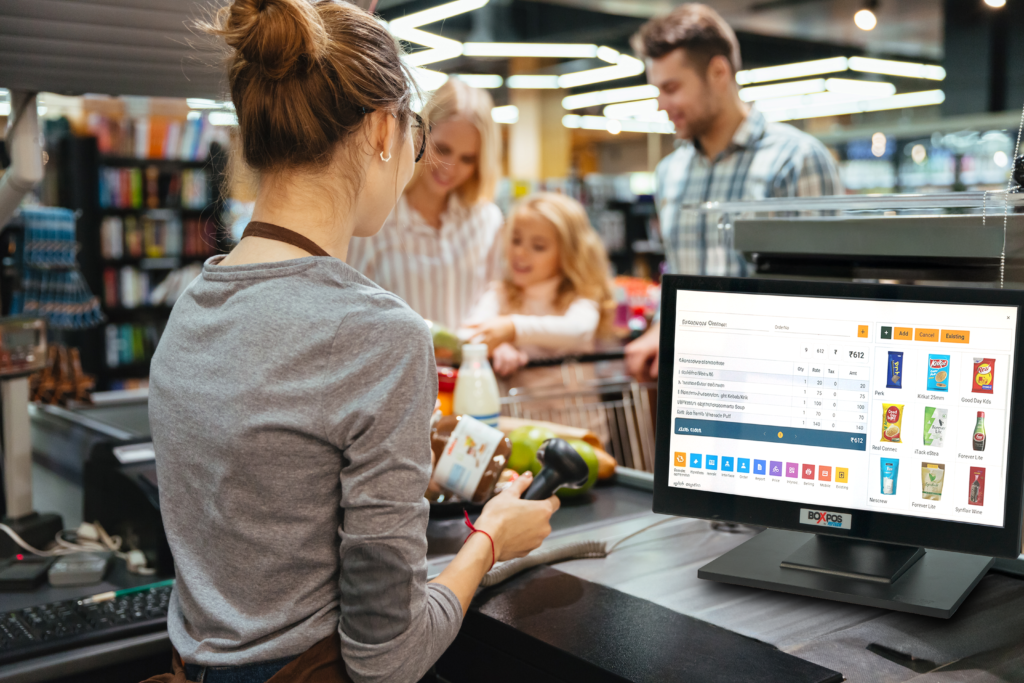
Smart Point of Sale (POS) systems are integral to the evolving retail sector, offering a level of operational efficiency, accuracy, and customer engagement that traditional systems cannot match. These intelligent platforms go far beyond simple transaction processing—functioning as complete business management tools. Stallion Global delivers robust software-driven POS solutions, complemented by purpose-built hardware, to drive operational excellence and sustainable growth for businesses across various industries. The Modern POS System: An All-Rounder for Business Processes A Smart POS system functions as the operational backbone of a retail business, integrating sales, inventory, and customer data into a centralised platform. This integration facilitates automation and real-time data availability, which improves decision-making and streamlines procedures. Unlike conventional systems prone to manual error and inefficiency, intelligent POS solutions provide detailed sales analytics, improve stock management, and support scalable growth. Stallion Global’s software solutions are tailored to meet the unique demands of small and medium-sized enterprises, offering the adaptability and precision required for competitive success. Enhancing the Customer Experience: Speed, Personalisation, and Adherence Delivering a seamless and personalised customer experience is fundamental to retail success. Smart POS systems expedite transactions through advanced barcode scanning and support for a wide range of payment options—significantly reducing queue times. Stallion’s POS software analyses purchase histories to offer personalised promotions, contributing to enhanced customer engagement and allegiance. Integrated loyalty programmes, facilitated by Stallion POS, help retailers establish long-term relationships with their customers and encourage repeat business. Transforming Inventory Management: Real-Time Control and Precision Inventory management remains one of the most crucial aspects of business. Stallion POS addresses this with intelligent features designed to increase visibility, reduce errors, and streamline operations. Data-Driven Decision Making: Advanced Analytics and Reporting Smart POS systems serve as powerful analytical tools, offering more than just daily operational data. Operational Efficiency: Streamlined Workflows and Workforce Management Smart POS platforms contribute significantly to operational efficiency, helping businesses reduce costs and enhance productivity. Multi-Store Retailing: Centralised Control and Flexibility Retailers with multiple locations benefit from a centralised management system that offers holistic oversight and control. Industry-Specific POS Solutions: Customised for Sector Needs Stallion Global provides tailored POS software solutions for various industries, including: These vertical-specific solutions are developed to address the unique operational requirements of each sector, ensuring relevance, compliance, and effectiveness. Integrated Hardware Solutions from Stallion While Stallion’s primary focus is on advanced software solutions, it also offers reliable and performance-driven hardware options: Cloud-Based and Mobile POS Capabilities Stallion POS supports cloud-based infrastructure, enabling remote access to manage sales, inventory, and reporting from anywhere. This flexibility ensures business continuity and oversight even while on the move. Conclusion: Powering Retail Growth with Smart Technology The integration of intelligent POS systems in a business is a strategic move for retailers seeking growth, efficiency, and long-term success. As technological utilization increases—especially among SMEs—businesses must stay ahead by leveraging solutions that combine automation, real-time insights, and exceptional customer service. Stallion Global delivers comprehensive software-driven POS solutions, designed to empower modern retailers across industries. With integrated analytics, real-time inventory control, and customisable features, Stallion POS is the strategic partner of choice for businesses ready to scale.

Why Smart POS Systems Are Vital for Retail Growth Read Post »

File Tracking: What It Is and Why You Need It Now
Blog

File Tracking: What It Is and Why You Need It Now

File tracking is essential for modern businesses, helping manage and protect physical and digital documents. Stallion Global’s File Tracking Solution streamlines access to vital records like contracts and client files while enhancing data security and improving workflows. Stallion Global is a prominent provider of track and trace solutions, specializing in tailored hardware and software tools to fulfill various organizational requirements. The market is growing, driven by demand from pharmaceutical and medical device manufacturers. Our solutions tackle product counterfeiting and regulatory compliance. Stallion Global’s File Tracking Solution uses barcode technology, RFID, cloud storage, and AI indexing to ensure comprehensive visibility, secure file access, and traceability. This blog will explore the functionalities of Stallion Global’s file-tracking system and its advantages for businesses of all sizes. Why Do Businesses Need File Tracking? File-tracking systems are crucial in an office setting with hundreds of documents. Without it, files may be misplaced, accessed by unauthorized individuals, or lost permanently, leading to confusion, delays, and serious complications for the organization.  The significance of file tracking for businesses includes: Where Can You Use File Tracking Systems? File tracking systems serve various purposes across different contexts, including: Why Choose Stallion Global’s File Tracking System? Supporting the Remote & Hybrid Work Model Remote work is increasingly common, allowing collaboration across cities and countries. Stallion Global’s file tracking system supports this shift by enabling remote teams to access files anytime, anywhere. With real-time updates and secure document sharing, team members can collaborate efficiently without delays. This system enhances productivity and streamlines workflows, making it an ideal tool for the modern work environment. As remote work evolves, reliable tools like this become essential for effective teamwork and communication. Stallion’s Track and Trace Ecosystem Stallion Global provides more than mere file tracking; it offers a comprehensive suite of tools under its “Track and Trace” solutions. With these advanced tools, businesses across various industries can track documents, products, shipments, and inventory. The offerings include: 🔹 Barcode-Based Products Handheld barcode scanners are essential for identifying and scanning products in various industries, including manufacturing, warehousing, and logistics. These scanners are mounted on conveyors or production lines to facilitate high-speed scanning.  It is commonly used for data entry, barcode scanning, and wireless communication as it is mobile.  They are used to print barcodes for printing items, cartons, and pallet labels with barcodes. 🔹 RFID-Based Products They can be hand-held or fixed readers for reading RFID tags without the line of sight. They can be used to improve the reading range and accuracy of RFID readers. It encodes and prints RFID labels for item tracking. They are passive or active tags attached to products or pallets for tracking. 🔹 Software Integration: Software integration connects different software systems or applications to work together, share data, and improve efficiency. A WMS is software that helps manage, track, and optimize warehouse operations like inventory, picking, and shipping. ERP integration connects different business systems into one platform to streamline processes and enable real-time data sharing. Real-time tracking dashboards display live data to monitor operations, shipments, or inventory. Future-Proof Your Operations with File Tracking File tracking systems are essential for improving business outcomes in a digital world. By enhancing document accessibility, boosting security, and cutting costs, these systems help organizations remain competitive and compliant. Stallion Global empowers companies with comprehensive file tracking and traceability solutions tailored to the needs of today’s evolving workplaces. From document security to workflow automation, Stallion Global delivers the technology you need to streamline operations, protect sensitive data, and prepare for the future. Contact Stallion Global today to learn how our file-tracking system can transform your business. Whether you’re managing physical documents, digital records, or both, our solutions are designed to keep your organization secure, efficient, and ahead of the curve.

File Tracking: What It Is and Why You Need It Now Read Post »

Types of POS Systems for your Businesses
Blog

Types of POS Systems for your Businesses

There are many factors that help businesses grow. One of the essential factors a business requires is an efficient POS system to handle transactions in an automated and streamlined manner. POS stands for Point-Of-Sale and is available as hardware as well as software that enables businesses to track their transactions and increase customer interactions. The modern POS system comes in different types. Before selecting a POS system for your business, you need to tick off some criteria regarding your business. The size of your business, hardware or software requirements, your budget and the number of transactions you receive per day are all factors that determine the type of POS system you need. For instance, if you run a retail store with minimal sales per day, you would require a POS system with less specifications whereas if you run a large scale business with inventory management requirements, then you would need an advanced POS system for your business. After making a list of your business requirements, you can choose from a wide range of POS systems. Here we will discuss the 10 most commonly used POS systems. 1.    Mobile POS System Mobile POS systems allow payments through a smartphone. It is portable hardware that comes with a small scanner that can be plugged in with a smartphone and process payments. The hardware consists of a barcode scanner and a built-in card reader. Mobile POS systems are best suited for street vendors, food trucks or small-scale retail stores that have limited inventory and require no extra features. It doesn’t require any up-front investments and has mobile features. But as the features are minimal, mobile POS systems are suitable for medium or large-scale industries such as retail or delivery business. 2.    Handheld POS System Handheld POS systems are portable devices that enable businesses to take orders, process payments and print receipts. It is a highly versatile tool used in a wide range of businesses. It enhances customer interactions. Handheld POS systems are usually used for medium scale retail businesses, logistics, healthcare, transportation industries. It reduces waiting periods for customers and hence improves business efficiency. It is not suitable for large scale businesses. 3.    Desktop POS System Desktop POS systems are generally used in places where customer checkouts are done. It is a computer-based system that comes with a software to process data and a hardware to scan barcodes that enables businesses to easily process payments. Usually desktop POS are a combination of specialised POS software and traditional hardware such as a cash drawer. Desktop POS systems are ideal for large-scale businesses like restaurant chains, supermarkets, large retail stores, beauty salons, healthcare, etc. where huge orders are managed as the software offers different POS options. Desktop POS ensures scalability as it can be easily integrated with your existing hardware. It might need IT support and training for the employees to operate the software. 4.    Windows POS System A Windows POS system operates on Windows OS. It can manage transactions and inventory, enhancing customer service. If connected to the internet, it automatically installs software updates, eliminating the need for manual installations. It is generally used in industries like retail, hospitality and pharmacies. 5.    Terminal POS System Terminal POS system is a combination of dedicated fixed hardware and software components. It can generate sales receipts and store the transaction details. It offers cloud as well as internet functionalities. It can be used in a wide range of industries like full-service restaurants, retail stores, boutiques, salons, etc. It is built to handle thousands of sales per day. Employees might require a little bit of training to get the maximum output from the software and an upfront investment will also be required for terminal POS systems. 6.    Self-Service Kiosk System Self-service kiosk systems allow customers to order and pay without any assistance from the staff. It comes with a touchscreen and sometimes a barcode scanner that helps for payments. It increases business efficiency as it reduces staff intervention. It is best suited for quick-service restaurants, cinemas, banking sector, self-checkout stores and airports. It reduces wait times and enhances customer experience. But the installation and maintenance costs may appear a bit high. 7.    Touch Screen POS System Touch screen POS systems consist of a digital interface on a portable device. It can capture digital signatures and facilitate contactless sales and is able to process card payments too. It is useful for small-scale as well as large-scale industries like event management, restaurants, healthcare and retail stores. It is recommended for businesses that require flexible POS systems.          Conclusion With multiple options in POS systems, it is a bit difficult to  choice which is better for your business. Make a detailed analysis on the business requirements before choosing one. Different businesses will have different needs. Confirm the type of business you own – small, medium or large, the hardware tools you own or need, the amount of sales you receive in a day, your budget and also make an analysis on the future requirements of your business. Once you have a checklist of all the necessary business needs, you can make a decision on which POS system to select. Choose the right system and grow your business!

Types of POS Systems for your Businesses Read Post »

Barcode scanner
Blog

A Comprehensive Guide to Barcode Scanning Technology: Everything You Need to Know

Barcode scanning technology has transformed various industries, including retail, healthcare, logistics, and manufacturing. These patterns of lines and spaces efficiently encode, store, and retrieve data, streamlining processes. A quick scan facilitates inventory management, patient safety checks, and shipment tracking, making operations more accurate.  This guide will delve into the mechanics of barcode scanning technology and its significance in everyday activities, providing insights to improve supply chain operations and customer satisfaction. Understanding Barcode Scanning Technology A barcode is a machine-readable representation of parallel lines and spaces of varying widths. This visual format facilitates rapid and precise scanning by optical devices and functions as a universal medium for product identification and data storage across numerous industries. Barcodes encode information through a combination of dark bars and light spaces, with the specific arrangement of these elements representing various characters and numerical values. The two primary categories of barcodes are Linear (1D) barcodes, which store data in a horizontal configuration and can encode up to 85 characters. In contrast, Matrix (2D) barcodes store information horizontally and vertically, allowing for the capacity to contain thousands of characters, as seen in QR Codes and Data Matrix barcodes. Applications of Barcode Scanning Technology Choosing the Right Barcode Scanner When evaluating barcode technology and RFID tracking solutions, key factors include the operational environment, barcode types, scanning distance, durability, system compatibility, and barcode budget. RFID offers benefits like automated scanning, simultaneous tag reading, and greater data capacity. Organizations should consider their inventory characteristics, data capture speed, and integration possibilities to choose the best system for inventory management. Wired scanners ensure a stable connection without battery issues, making them dependable for consistent use. In contrast, wireless scanners offer enhanced mobility and help reduce cable clutter, allowing for more flexible positioning and easier handling. Depending on whether reliability or mobility is a priority, each type has advantages. Mobile solutions encompass smartphone apps, dedicated mobile computers, and wearable scanners. These tools are perfect for enhancing inventory management and streamlining field operations. Seamless integration is a strategic advantage in today’s business landscape, as it enhances efficiency and fosters stronger collaboration across teams. By prioritizing seamless integration, organizations build resilient systems that meet current demands while remaining flexible to face new challenges, ultimately driving long-term success and competitiveness.4. Implementing Barcode Technology Revolutionizing Inventory with RFID, NFC, and Barcode Integration Data density and error correction are better with 2D barcodes than with QR codes. Their ease of smartphone scanning enhances reliability and tracking capabilities, making them essential for efficient data management. Integration with NFC and RFID technology enables seamless data exchange between devices. It enhances inventory management by improving accuracy and efficiency in tracking products throughout the supply chain. Augmented Reality (AR) improves our perception of the real world by superimposing digital content. It delivers instant product details, interactive user manuals, and virtual demonstrations for a more engaging and informative experience. AI and machine learning significantly enhance barcode reading capabilities, especially in damaged cases. They also allow for quicker processing of multiple barcodes and improve overall pattern recognition efficiency. Barcode Technology in Warehouse Management Barcode technology streamlines operations by minimizing human error and enhancing efficiency. This results in quicker order fulfilment and increased customer satisfaction, making it an essential tool for businesses today. Real-time updates significantly improve decision-making and forecasting. They also enhance cash flow management, leading to more efficient operations and higher financial stability for businesses. Locating items and verifying their quantities is made easier with scanners. This technology significantly minimizes errors in order fulfilment, enhancing overall productivity and accuracy. Barcode-enabled WMS systems streamline operations by automating data entry and enhancing inventory accuracy. This technology simplifies audits, leading to more efficient warehouse management. The Global Impact of Barcode Scanning Barcodes enhance economic efficiency in global supply chains by enabling real-time tracking and accurate inventory management. This technology helps businesses reduce costs and minimize waste, allowing for streamlined operations. With improved inventory accuracy and demand forecasting, companies can maintain a competitive edge while ensuring products move smoothly from manufacturers to consumers. In addition to economic advantages, barcodes facilitate international trade through universal standards like GS1, simplifying cross-border transactions and enhancing product traceability. This traceability is essential for regulatory compliance and building consumer trust. Furthermore, barcodes support environmental sustainability by reducing paper usage, optimizing transportation, and improving recycling efforts. The Future of Operations: Embracing Barcode Scanning Technology Barcode scanning technology has revolutionized numerous industries, streamlining processes and enhancing efficiency. Barcodes are essential for tracking, identifying, and managing items and information, from retail to logistics to healthcare. As this technology evolves, businesses can leverage advanced features like IoT integration and AI to stay competitive. By understanding barcode fundamentals, choosing the right scanner, and implementing effective systems, you can unlock new levels of productivity and accuracy in your operations. Embrace the power of barcodes and position your business for success in the fast-paced digital landscape.

A Comprehensive Guide to Barcode Scanning Technology: Everything You Need to Know Read Post »

Blog

Role of RFID Technology in Modern Warehouse Management

RFID (Radio-Frequency Identification) technology has emerged as a transformative solution in the ever-evolving landscape of warehouse management. It revolutionizes warehouse operations by enhancing efficiency, accuracy, and speed—crucial factors for meeting the demands of modern commerce. Warehouse management is an essential component of e-commerce, retail, pharmaceutical, and logistics companies. As companies aim to enhance inventory tracking and streamline supply chain operations, RFID technology emerges as a transformative solution This blog will explore the significant impact of RFID technology in warehouse environments, its applications, benefits and the promising future it offers. RFID Technology in Warehouse Management RFID utilizes radio waves to identify and track objects automatically. RFID technology offers real-time data, improves accuracy, and facilitates superior decision-making in dynamic warehouse environments. The essential components of RFID technology include: Real-Time Inventory Tracking: A Game-Changer Accurate inventory tracking is critical for businesses handling large volumes of goods. This feature benefits e-commerce companies that need rapid order fulfilment and retailers managing high turnover products. RFID technology ensures: RFID and Warehouse Management Systems (WMS): A Powerful Integration Radio Frequency Identification (RFID) technology integrated with Warehouse Management Systems (WMS) significantly improves operational efficiency. Supply chain firms and third-party logistics providers particularly benefit from this combination. How RFID Enhances Inventory Management Software Integrating RFID technology into inventory management software offers notable advantages, particularly for small and medium enterprises (SMEs) aiming to scale their operations. RFID-driven inventory solutions present a cost-effective approach to enhancing control and visibility over inventory. Faster Operations and Reduced Costs with RFID Technology One of RFID’s standout features is its ability to streamline warehouse workflows. This level of automation saves time and lowers operational costs, making it an attractive choice for the pharmaceutical and automotive industries. Enhanced Security and Loss Prevention Using RFID Security is vital for warehouses handling high-value items. In industries like electronics and food and beverage, where product integrity is crucial, RFID technology offers essential security enhancements by: Supply Chain Visibility with RFID Technology Supply chain transparency is an increasingly important requirement across various industries, with radio-frequency identification (RFID) technology playing a crucial role in its realization. This capability enhances customer trust and ensures compliance for sectors such as government defence and logistics providers. RFID’s Role in Sustainability and Green Warehousing A distinct advantage of RFID technology lies in its support of sustainable practices within warehouse management. Contemporary businesses seeking to achieve green warehousing initiatives are especially attracted to these eco-friendly advantages. How RFID Technology is Shaping the Future of Warehouse Management RFID (Radio Frequency Identification) technology has become imperative for warehouse management. RFID helps organizations maintain a competitive advantage by improving accuracy, speed, and visibility. Its integration with Warehouse Management Systems (WMS) also enhances security and sustainability. Revolutionize your warehouse with RFID technology to enhance efficiency, lower costs, and boost customer satisfaction. Investing in RFID prepares your business for the future. Contact us to learn how our advanced solutions can transform your operations!

Role of RFID Technology in Modern Warehouse Management Read Post »

Scroll to Top